NetApp SaaS Backup for Office365 can be used with Wasabi by following the configuration instructions below.
Note: The data restoration process is handled by your backup software. As there are many potential variables that will affect your unique environment, it is strongly recommended that you seek the guidance of your backup software’s technical support team in the event that you encounter difficulty or have application-specific inquiries.
Requirements
NetApp SaaS backup license
NetApp Cloud Manager account
An active Wasabi cloud storage account
Choose the SaaS product you want to configure. Choosing Office 365 is an example.
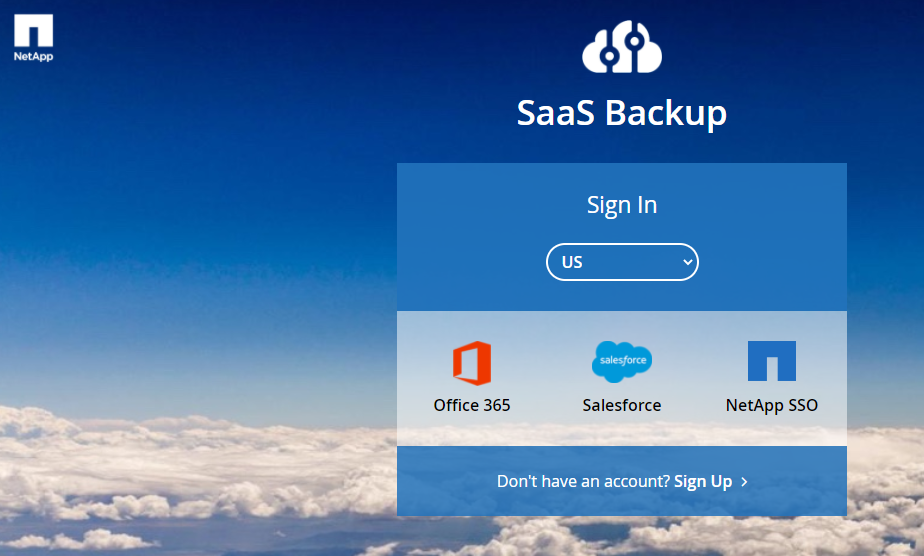
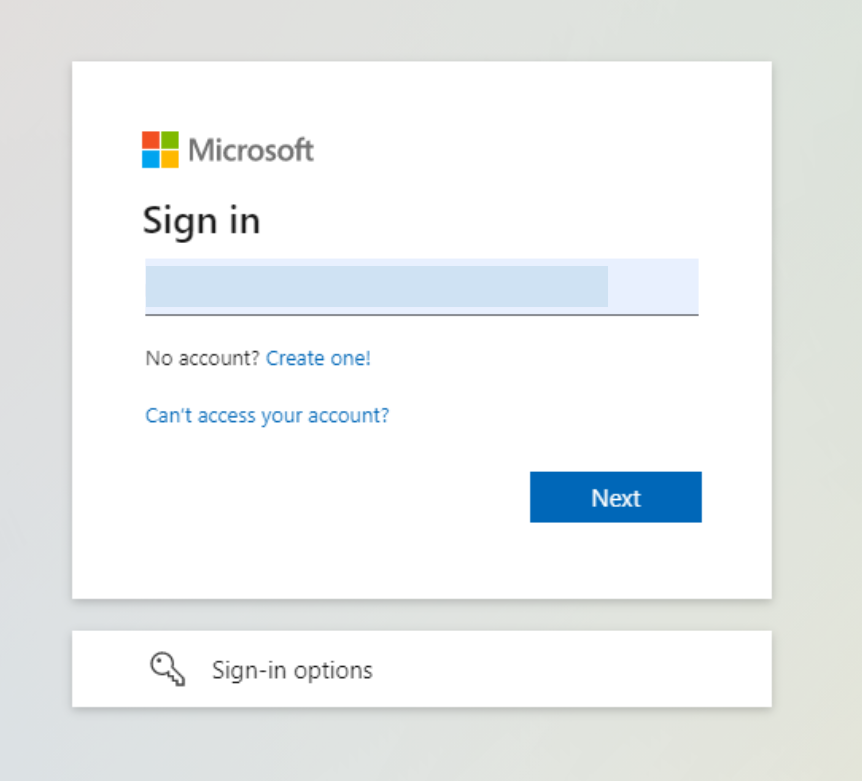
Sign in to your Office 365 or other SaaS product.
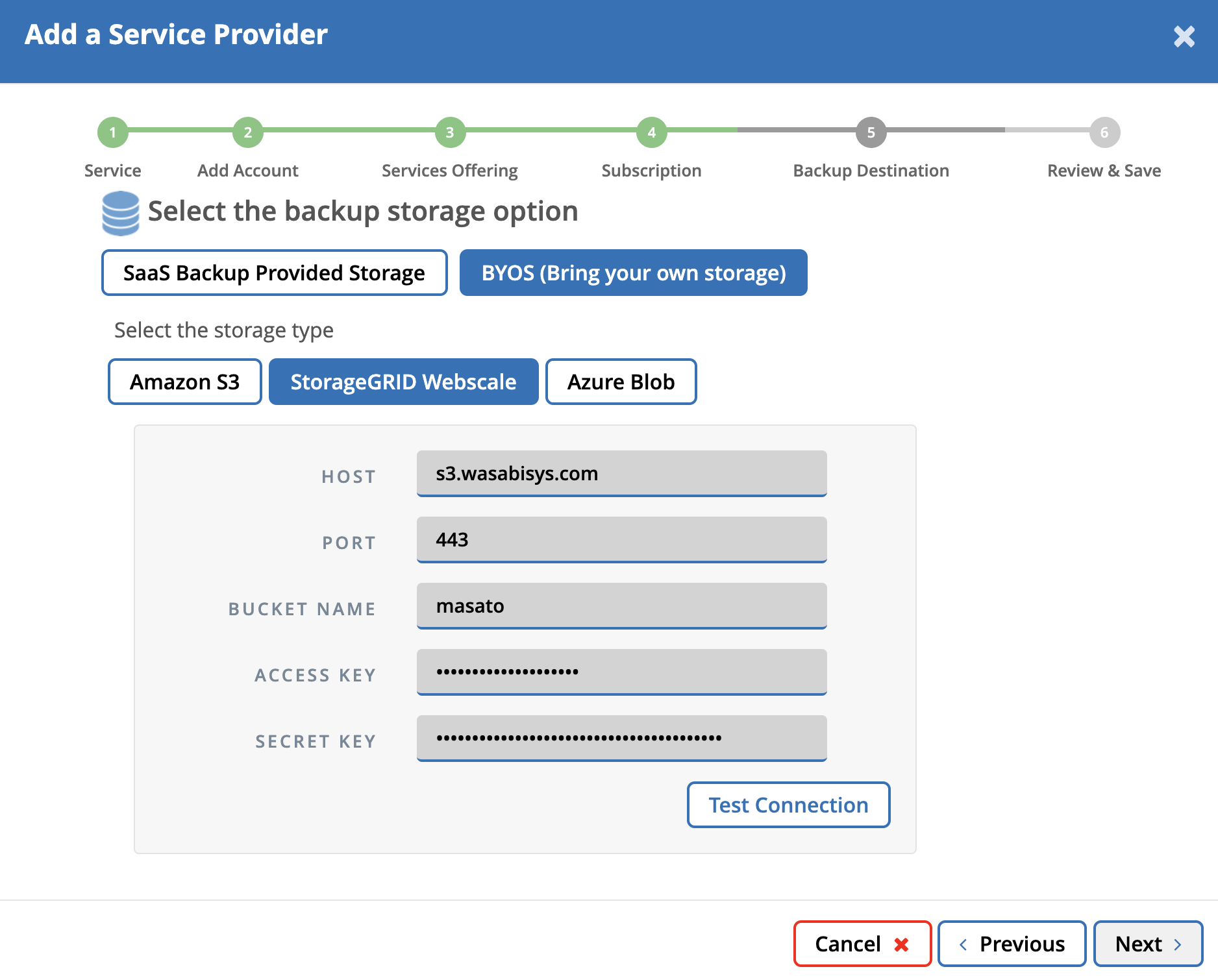
Edit or add an additional Backup Destination option.
Select the BYOS (Bring your own storage) option.
Select the StorageGRID Webscale Storage Type
Host: Wasabi Service URL. (See note below for example).
Port: 443
Bucket Name: Existing bucket name in the region you specified in the host entry.
Access Key: Access Key associated with the account
Secret Key: Secret Key associated with the account
NOTE: This example discusses the use of Wasabi’s us-east-1 storage region. To use other Wasabi storage regions, use the appropriate Wasabi service URL as described in this https://docs.wasabi.com/docs/what-are-the-service-urls-for-wasabi-s-different-storage-regions.
You may test the connection to ensure the access key and secret keys are correct.
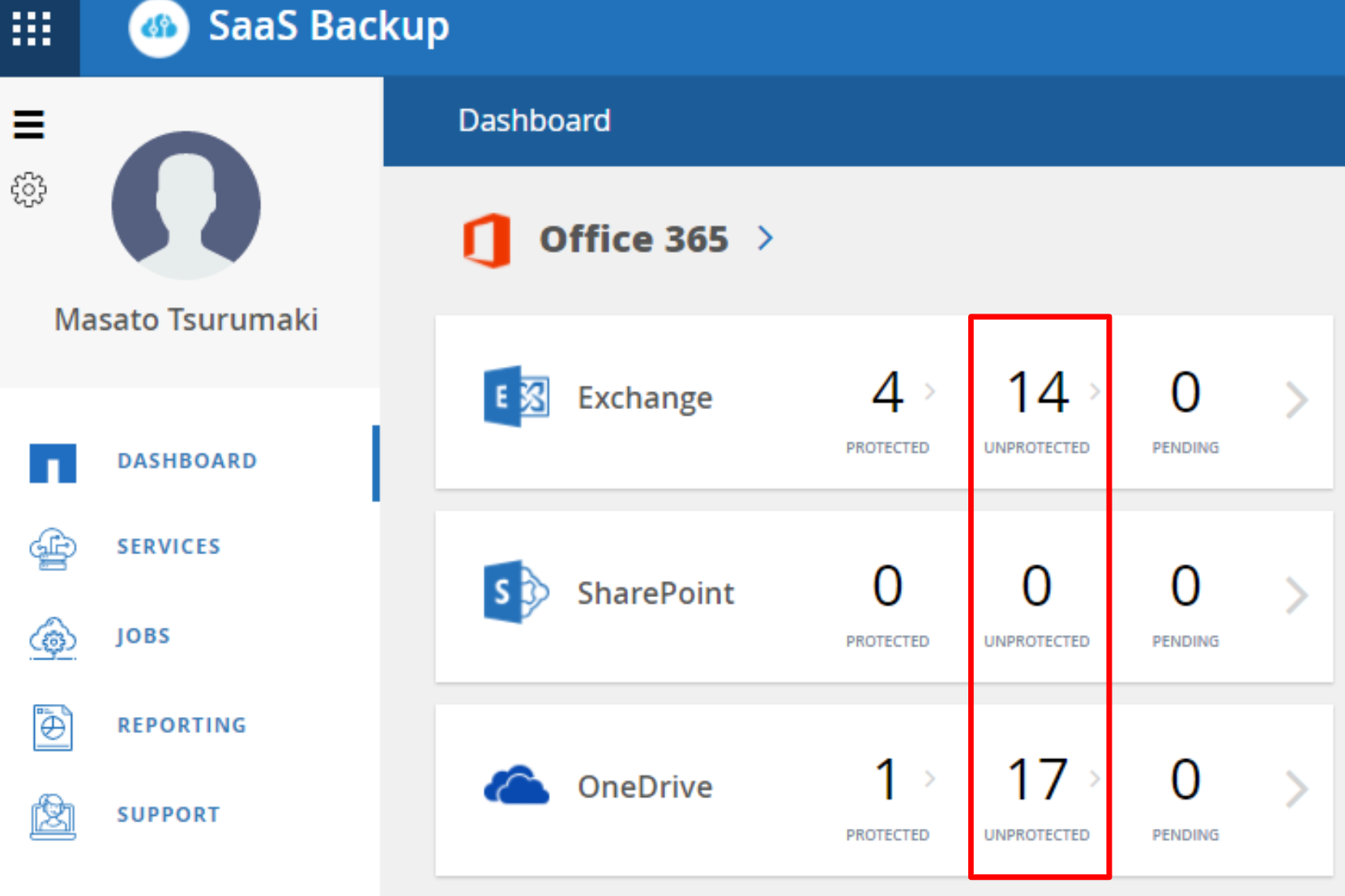
To configure protection for one or more Exchange Mailboxes/SharePoint/OneDrive users, select Dashboard and then select the unprotected number. In this example, we will use Outlook mailboxes to protect.
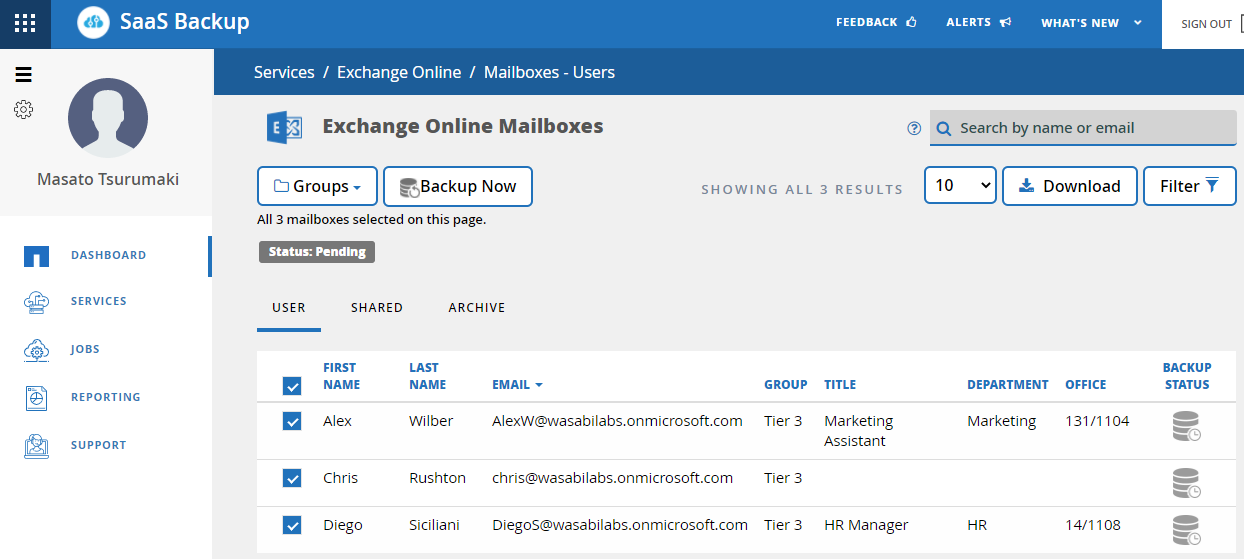
Select the users to back up.
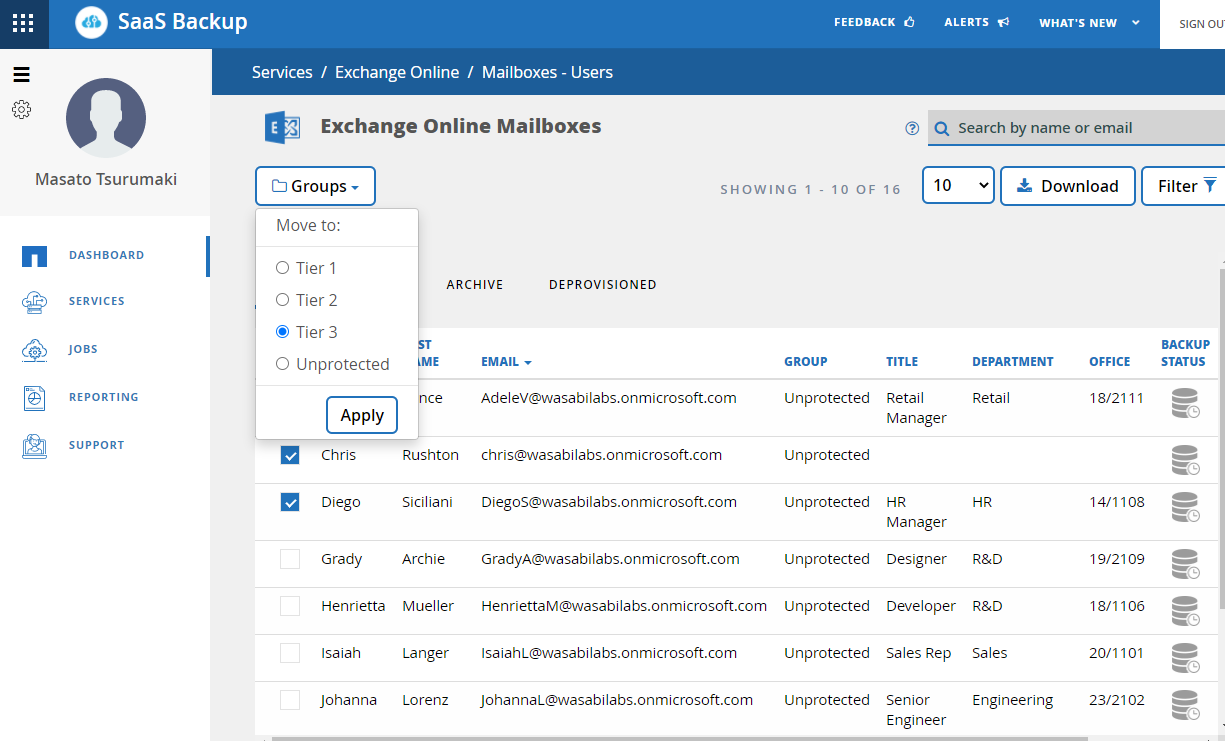
Click the Groups, move them to a Group with a Backup Policy associated with that Group, then hit Apply. In the Dashboard, you will see the number of pending backups.
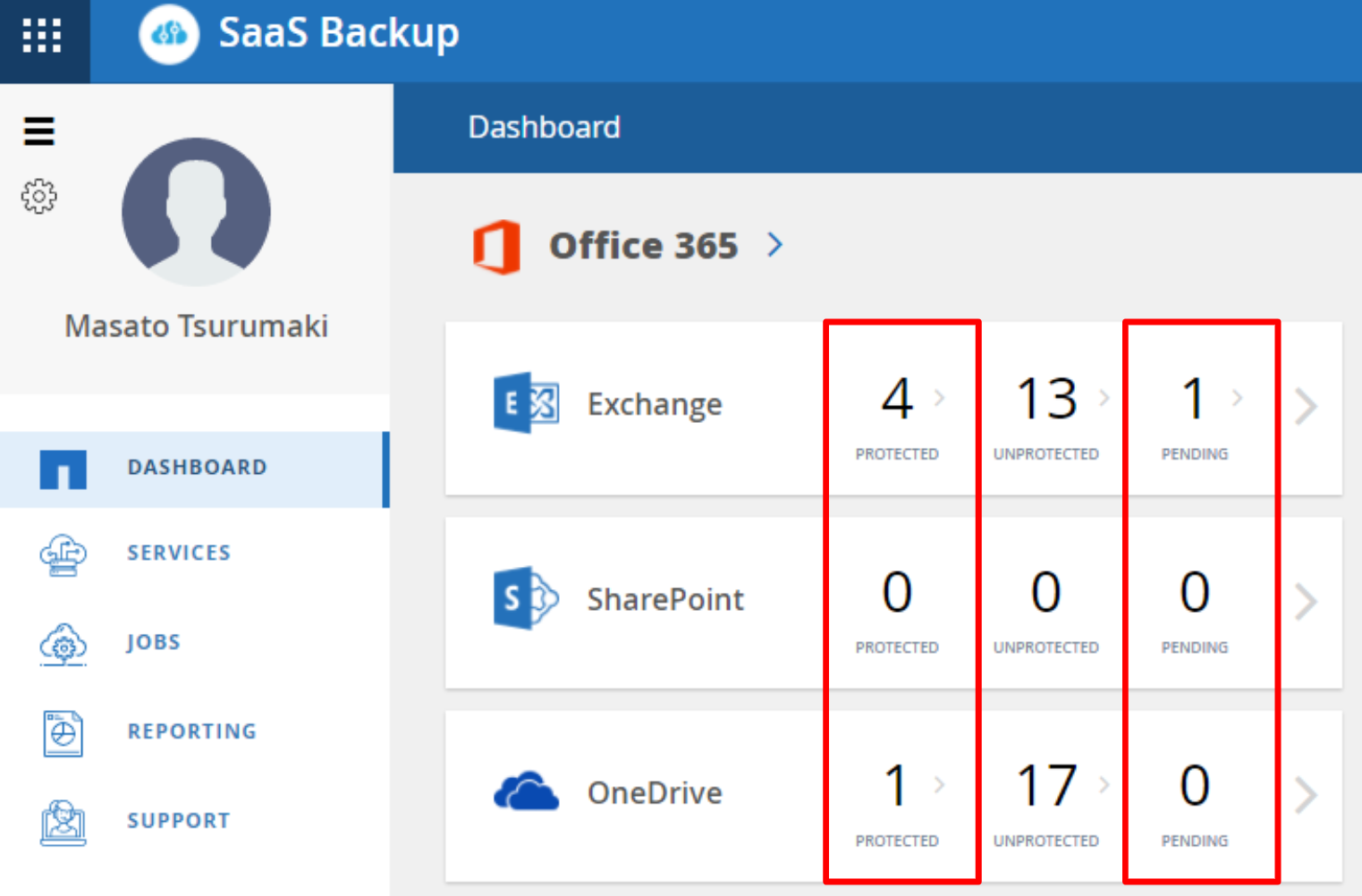
You may run an on-demand backup job by returning to the Dashboard and clicking the Protected or Pending number.
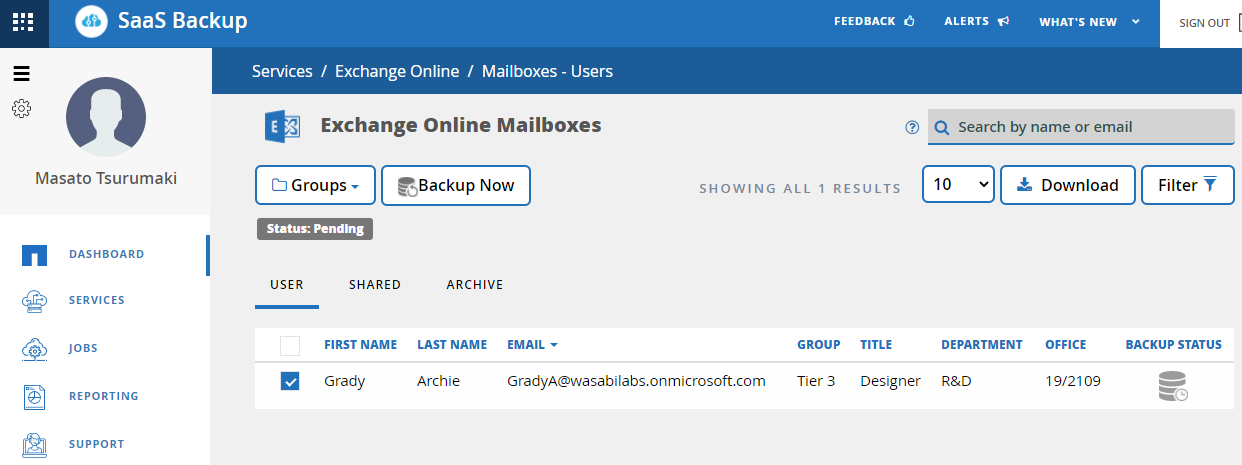
The mailboxes will be listed. Select the target mailboxes, and click Backup Now.
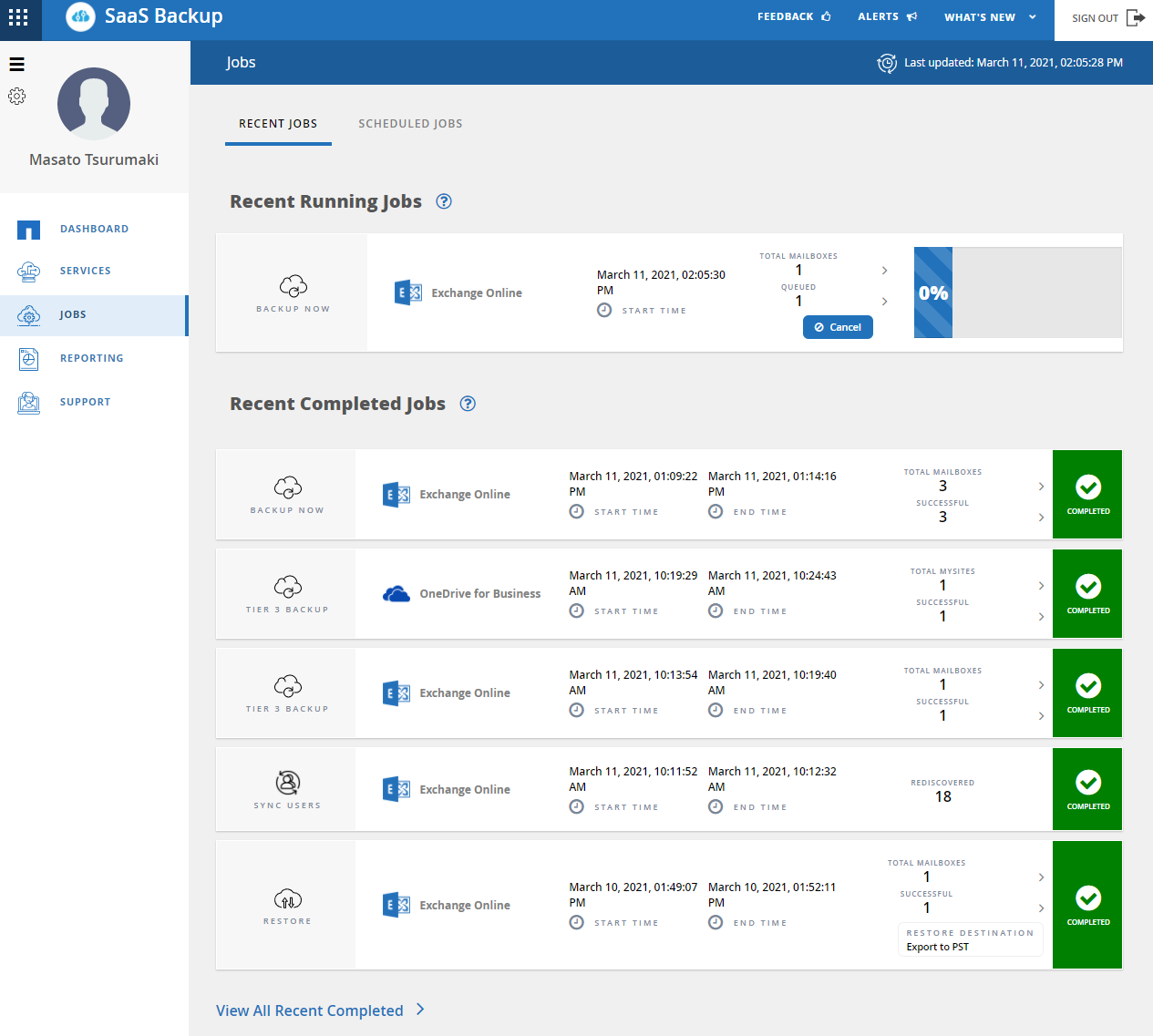
In the Jobs tab, you will see running or completed backups.