Quest Rapid Recovery is certified for use with Wasabi. For more info on how Quest & Wasabi work together, visit this solution page. To use this product with Wasabi, follow the instructions below.
1. Add a new Cloud Account per the screenshot below.
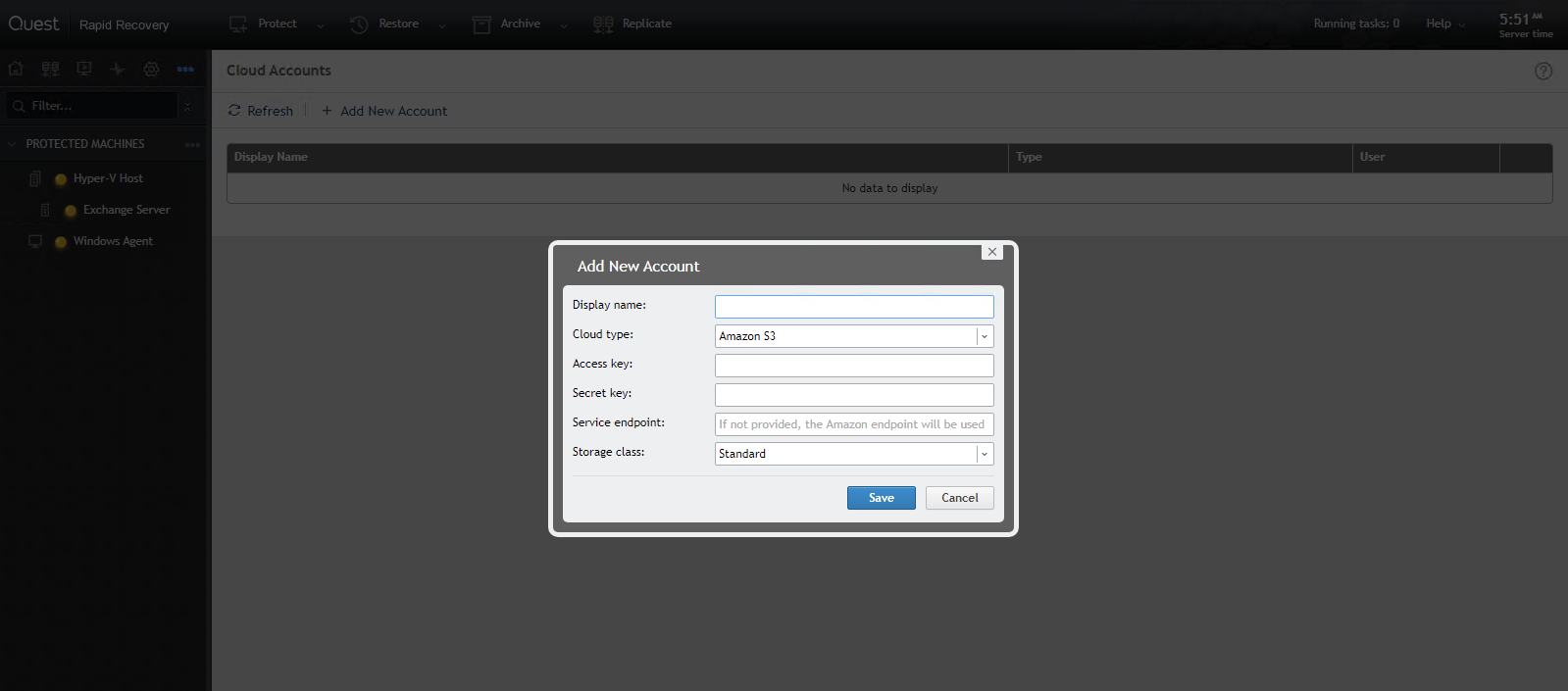
Provide the following details.
Display Name - Wasabi
Cloud Type - Amazon S3
Access Key
Secret Key
Service endpoint - https://s3.wasabisys.com
Storage class
Note that this config example uses Wasabi’s us-east-1 storage region. To use other Wasabi storage regions, use the appropriate Wasabi service URL as described in Service URLs for Wasabi's Storage Regions.
Note: Review the following link to access Access & Secret keys via the Wasabi console 3—Creating a User Account and Access Key
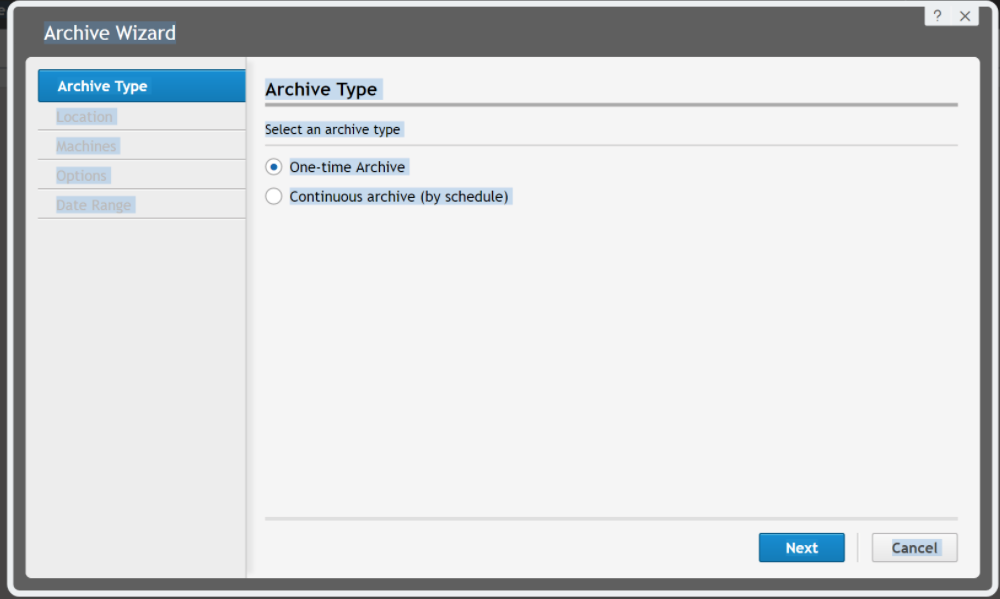
2. After you set up the cloud account, you configure a machine to be protected and create a recovery point, which is what Rapid Recovery calls snapshots. Once you have created the snapshot, you can back it up to the cloud as a Rapid Recovery Archive, as shown in the sequence below.


Note that this example uses Wasabi’s us-east-1 storage region. To use other Wasabi storage regions, use the appropriate Wasabi service URL as described in this article.